Auto Accident Chiropractic Treatment Checklist: Documents and Information to Prepare
Auto accident chiropractic treatment begins with useful information. Arrowhead Clinic Chiropractor Garden City uses your identification, accident details, insurance information, medical records, medication details, and symptom history to understand your condition and plan care.
Request an EstimateWhat Should You Bring to a Chiropractor After a Car Accident?
The most useful items for a chiropractor after a car accident are identification, accident and insurance details, medical records, medication information, and notes about your symptoms.
Bring what you have, even if your records are incomplete. Our team can review the available information, ask focused questions, and document details during your initial evaluation.

Documents to Gather Before Your Appointment
Supporting documents help us connect the accident, your symptoms, and your prior medical history. Gather the following items before your chiropractic visit when they are available.
| Document or item | Why it may help |
|---|---|
| Driver's license | Confirms your patient identification. |
| Health insurance card | Provides health insurance details for office records and claim questions. |
| Auto insurance information | Helps document the auto insurance claim and involved parties. |
| Police report | May provide the reported accident timeline and collision details. |
| Medical records | Shows relevant evaluations, diagnoses, imaging, or prior injuries. |
| Referral | May explain instructions from another healthcare office or insurer. |
| Accident photographs | Can show vehicle damage, roadway conditions, and visible injuries. |
Do not delay care because one document is unavailable. We can record the information you know and help identify what should be provided later.
Before Your Chiropractic Visit
Appointment preparation gives our team a clearer starting point. Use these steps to organize your accident timeline, symptoms, medical history, medications, and insurance claim information.
Clear notes can help when pain makes it difficult to remember details. Bring the notes to the appointment so we can discuss each concern directly.
How We Use Your Information During the First Visit
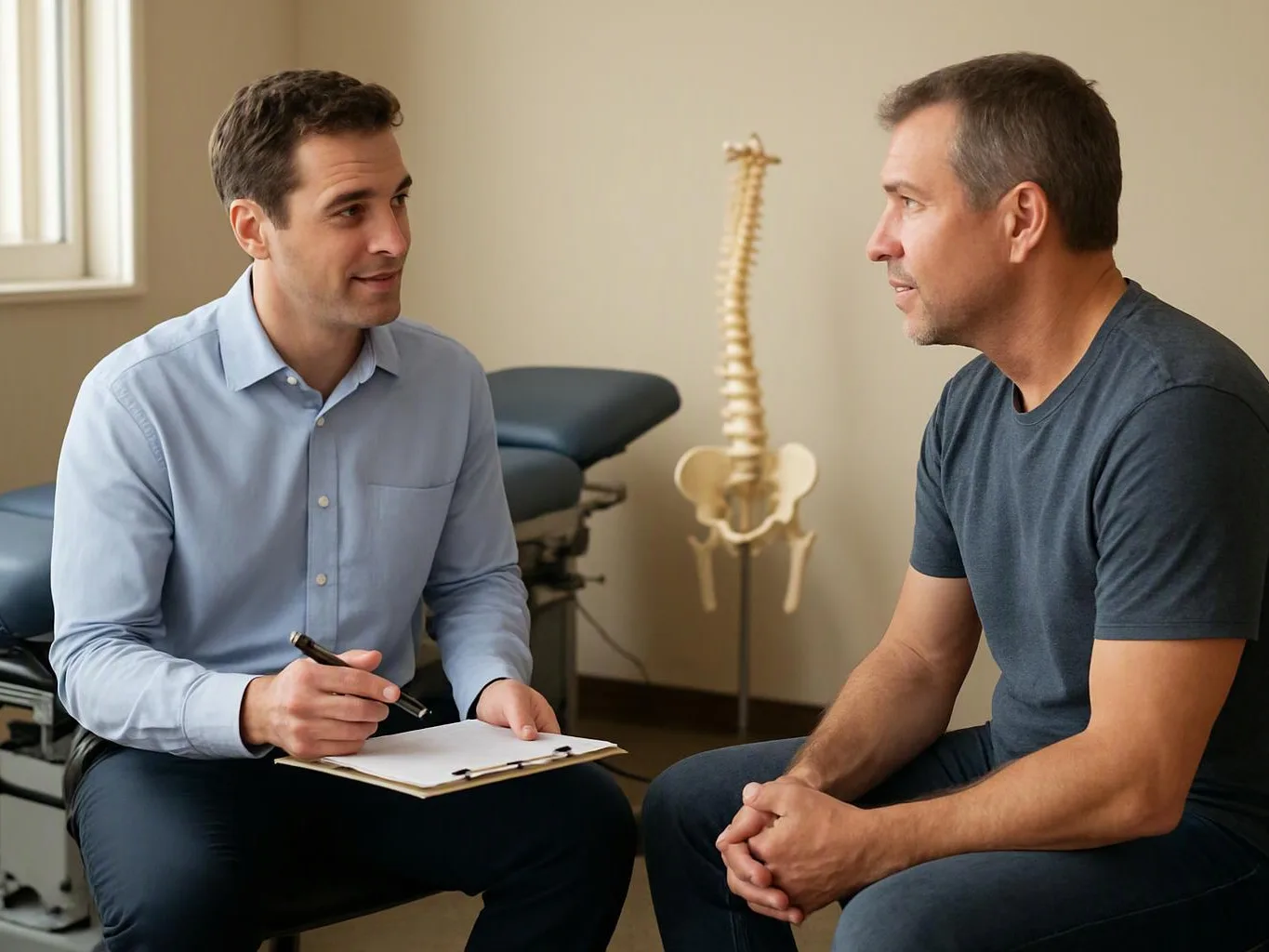
Arrowhead Clinic Chiropractor Garden City reviews your accident history, symptoms, medical background, and available records to guide the initial chiropractic evaluation.
Our team uses your patient history to understand the injury mechanism and any conditions that may affect care. We then complete a physical examination that may include posture, tenderness, movement, and range of motion.
Neck pain, back pain, and whiplash symptoms can develop or change after a collision. We compare your reported symptoms with examination findings and use that information to shape appropriate care planning.
During Your Chiropractic Appointment
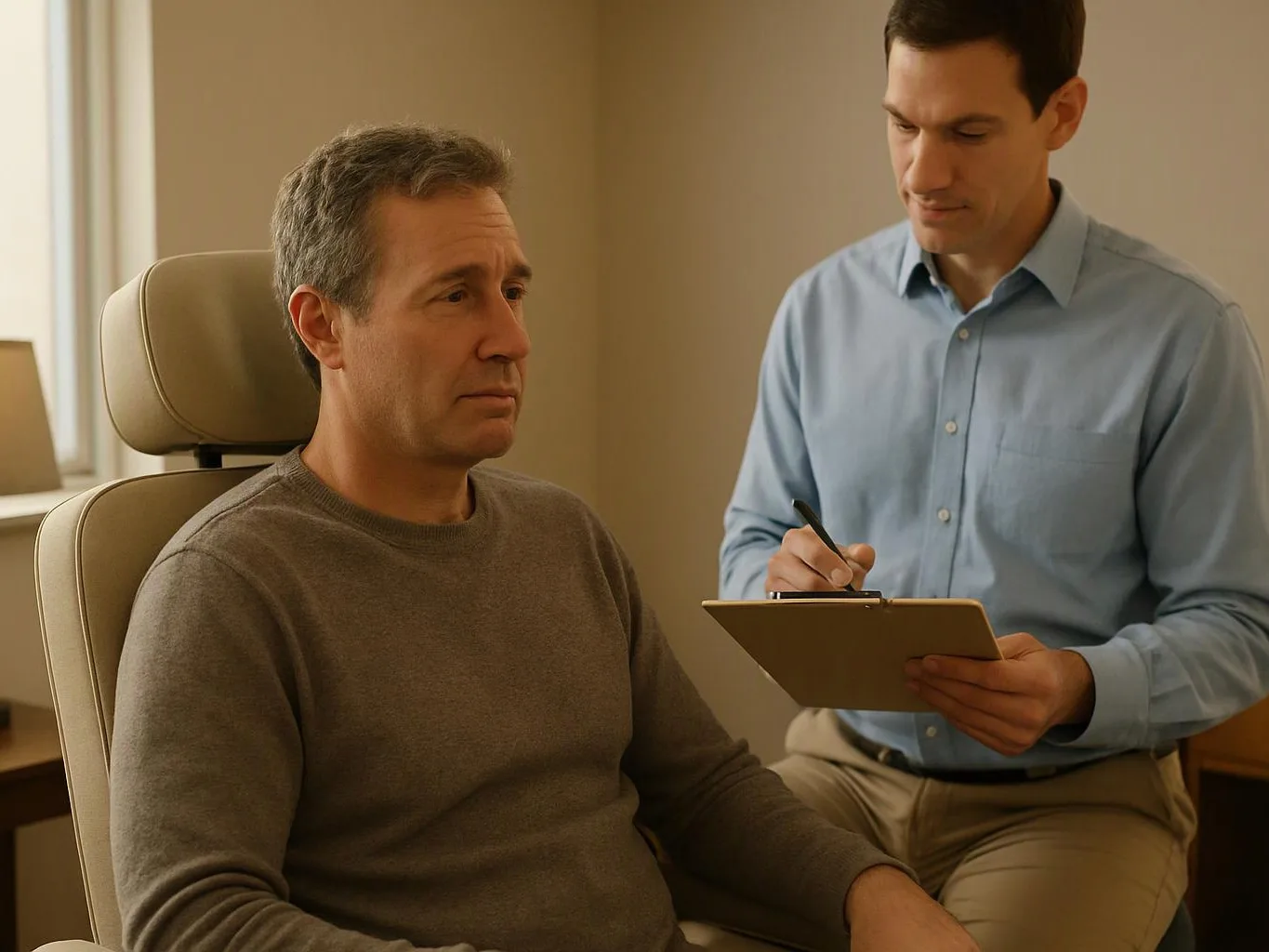
During the appointment, describe what you feel and what has changed since the accident. Our team will use your answers with the physical examination to understand your condition.
Accurate details help us avoid assumptions about your injury. Tell us if a symptom is new, worsening, or different from pain you had before the car accident.
Information to Share About Your Symptoms
Your symptom history should explain where discomfort occurs, when symptoms began, what changes them, and whether symptoms affect movement or daily activities.
Tell us about neck pain, back pain, whiplash symptoms, headache, or stiffness. Also report numbness, tingling, weakness, and limited movement, even when these symptoms seem mild.
Explain whether symptoms change with sitting, standing, walking, sleeping, driving, lifting, or other activities. We use these details to understand your pain history and guide the physical examination.
After the Appointment
After the appointment, follow the care instructions and keep your records organized. Continued notes help our team understand how symptoms respond between visits.
Consistent symptom tracking gives us useful information at follow-up care visits. Contact our team promptly if symptoms change sharply or new concerns appear.
When Should You Seek Prompt Medical Attention?
Seek prompt medical attention for serious or rapidly worsening symptoms, including weakness, significant numbness, breathing difficulty, or loss of consciousness.
These red flags may require urgent medical evaluation. Tell emergency medical personnel about the car accident and all symptoms you are experiencing.
How Can You Prepare for Auto Accident Chiropractic Treatment?
You can prepare for auto accident injury treatment by bringing relevant documents, recording your symptoms, describing the accident clearly, and sharing your complete medical and medication history.
Our team uses these details to organize patient records, complete the initial evaluation, and develop care planning for concerns such as whiplash treatment, neck pain treatment, and back pain treatment.
Bring your questions and tell us what you want to understand about the examination or treatment plan. To discuss your appointment, contact Arrowhead Clinic Chiropractor Garden City through our Auto Accident Injury Treatment service.
Questions About Preparing for Auto Accident Chiropractic Care
Do I need a referral to see a chiropractor after a car accident?
Referral requirements can depend on your health plan, auto insurance claim, and local rules. Arrowhead Clinic Chiropractor Garden City can review the information you have and explain what is needed for your appointment.
Should I bring my police report to a chiropractic appointment?
Yes, bring your police report when it is available because it may help document the accident timeline and reported collision details.
Can I see a chiropractor if I do not have all my accident documents?
Yes, you can usually begin by bringing the information you have and explaining which documents are still unavailable. Our team can record your accident details, symptoms, medical history, and insurance information during the visit.
What symptoms should I mention during a post-accident chiropractic evaluation?
Mention neck pain, back pain, headache, stiffness, numbness, tingling, weakness, limited movement, and any symptom that affects daily activities. Explain when each symptom began and whether it is changing.
Should I bring a list of medications to my chiropractor?
Yes, bring a current medication list so our team can include your medications in your medical history and care planning.
What should I wear to a chiropractic appointment after a car accident?
Wear comfortable clothing that allows you to move easily during the physical examination. Tell our team if pain or limited movement makes certain clothing difficult to wear.
Bring the documents and symptom notes you have, and share any questions about your evaluation or care. Arrowhead Clinic Chiropractor Garden City is ready to discuss your auto accident injury treatment needs.
Related Resources
Auto Accident Injury Treatment and Whiplash Care: What Comes First?
Compared ToChiropractic Care vs. Physical Therapy for Back Pain
Compared ToAuto Accident Chiropractic Care vs. a Routine Chiropractic Visit
Compared ToCost Factors and Payment Questions for Accident-Related Chiropractic Care