Possible Scoliosis: Signs to Note Before an Evaluation
Possible scoliosis signs include uneven shoulders or hips, a prominent shoulder blade, an uneven waist, posture changes, back pain, or stiffness. Arrowhead Clinic Chiropractor Garden City reviews these observations, considers their pattern and severity, and explains when an evaluation is appropriate.
Request an EstimateWhat Signs Can Suggest Scoliosis?
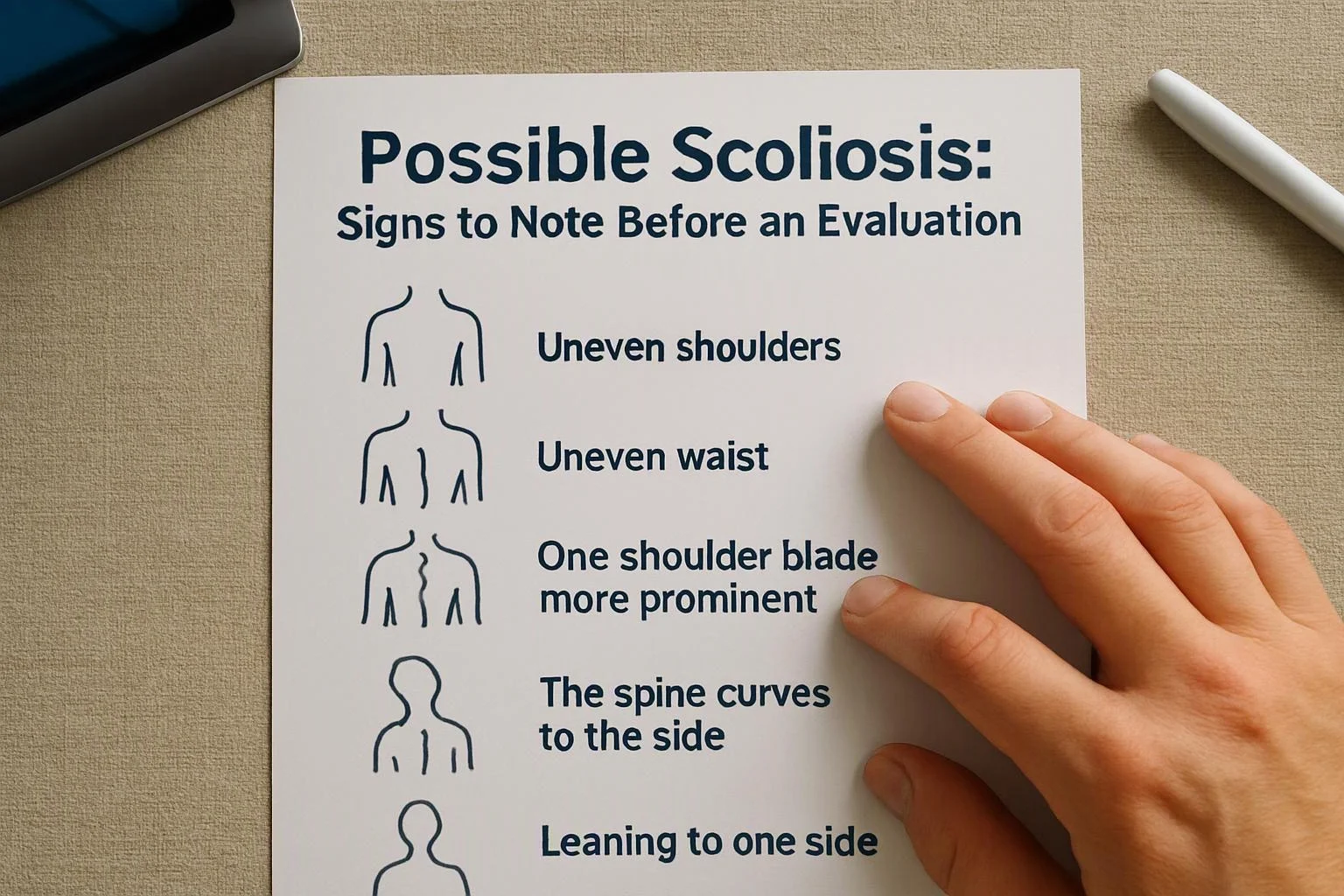
Scoliosis may show as an uneven shoulder or hip height, a prominent shoulder blade, an uneven waist, or a trunk shift when the body is viewed from behind.
Scoliosis is a spinal curvature that can change how the shoulders, hips, waist, and trunk appear. A curved spine may create a postural imbalance, but visual signs alone cannot confirm the cause.
We look for patterns across the spine and body instead of treating one observation as a diagnosis. Our assessment considers whether the posture change remains present in different positions and whether it affects movement.
How Can Shoulder and Hip Changes Appear?
Shoulder asymmetry can appear when one shoulder sits higher, one shoulder blade stands out more, or the shoulders tilt forward unevenly.
Hip asymmetry can appear as one hip higher than the other or as an uneven waistline. These changes may relate to pelvic alignment, spinal alignment, muscle tension, or the way a person stands.
We compare shoulder height, hip height, shoulder blades, and the waistline during a postural assessment. The pattern matters more than a single isolated difference.
Can Scoliosis Cause Back Pain or Stiffness?
Yes, scoliosis can be associated with back pain or stiffness, but these symptoms can have several causes and do not confirm scoliosis by themselves.
Back pain and back stiffness may occur with muscle fatigue or changes in how the body carries weight. Some people notice symptoms during certain activities, while others notice movement changes without pain.
Nerve symptoms such as numbness or weakness need careful attention. We consider the symptom pattern, range of motion, and neurological findings during an evaluation.
Before an Evaluation: Record What You Notice
Symptom history helps us connect posture observations with changes in comfort, movement, and daily activities. Write down what you notice without trying to diagnose the cause.
Bring these observations to your clinical evaluation so our team can review the pattern clearly.
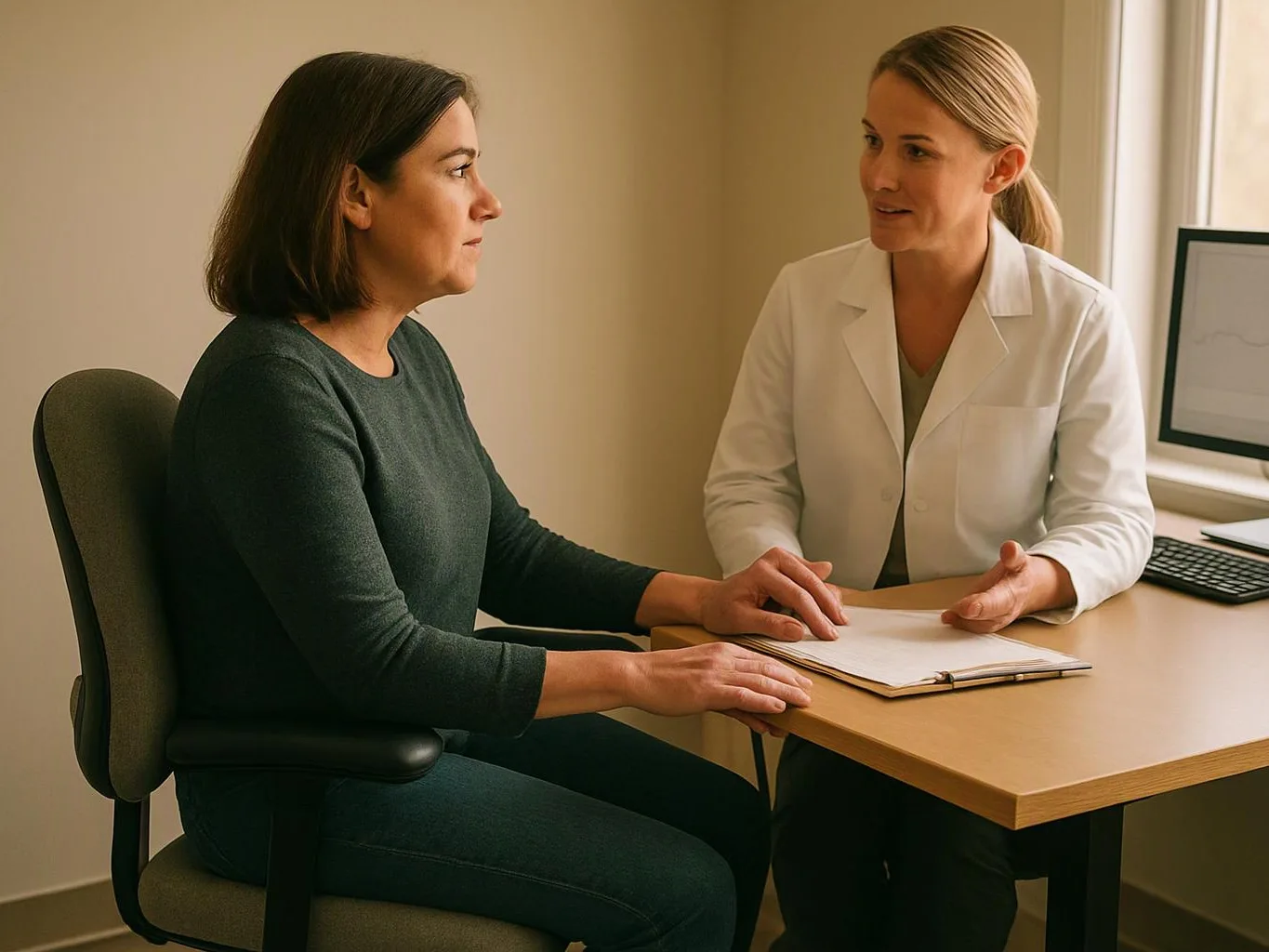
During an Evaluation: What We Check
During an evaluation, we check posture, spinal alignment, movement, and symptoms to understand the full presentation. We use the findings to decide whether chiropractic care, monitoring, or medical input is appropriate.
Our process focuses on how the shoulders, hips, spine, and trunk work together.
After an Evaluation: Understand the Next Step
Evaluation findings guide the next step for care, monitoring, or medical referral. We explain what the findings may mean and how they relate to your concerns.
Care planning depends on the individual assessment, symptom pattern, movement findings, and any need for additional medical review.
When Should Scoliosis Symptoms Be Evaluated?
Scoliosis symptoms should be evaluated when a visible asymmetry persists, changes over time, causes pain or stiffness, or affects movement and daily activities.
Persistent posture changes deserve attention even when back pain is absent. Progressive asymmetry, repeated muscle fatigue, or new functional changes can also support scheduling a clinical evaluation.
We review the pattern and severity of your concerns before connecting them with care. Learn more about our Scoliosis Treatment approach.
Red Flags That Need Prompt Medical Attention
Severe or rapidly worsening symptoms need prompt medical attention, especially when they involve strength, sensation, or bladder and bowel function.
We treat these warning signs as a reason for timely medical assessment. Contact emergency services when symptoms are sudden, severe, or life-threatening.
How Scoliosis Signs Differ From Common Posture Changes
Scoliosis signs tend to form a persistent pattern of spinal alignment changes, while postural asymmetry or temporary muscle imbalance may vary with position and activity.
The comparison below helps organize observations, but a clinical evaluation is needed to identify the cause.
| Pattern | What may be noticed | Why evaluation helps |
|---|---|---|
| Scoliosis | Persistent shoulder, hip, waist, or trunk asymmetry | We assess spinal alignment and related movement findings. |
| Postural asymmetry | Uneven posture that may change with position or attention | We look for movement and posture factors that may contribute. |
| Temporary muscle imbalance | Fatigue, tightness, or uneven muscle use after activity | We consider activity changes and range of motion. |
| Back pain | Pain or stiffness with or without visible asymmetry | We review symptoms and screen for neurological concerns. |
How Arrowhead Clinic Chiropractor Garden City Connects Evaluation Findings With Care
Arrowhead Clinic Chiropractor Garden City connects evaluation findings with care through an individual assessment of posture, movement, symptoms, and spinal alignment.
We use those findings to shape care planning when scoliosis treatment or posture correction may be appropriate. Our team also explains when medical referral or follow-up is the safer next step.
What Should You Bring to an Evaluation?
Bring symptom notes, medical history, activity changes, previous imaging, and your current concerns to help us understand the full picture.
Previous imaging can provide useful context, but it does not replace our clinical assessment. Write down questions about posture, pain, stiffness, movement, or possible treatment so we can address them during the visit.
Questions About Possible Scoliosis Signs
Can one shoulder or hip being higher indicate scoliosis?
Yes, one shoulder or hip being higher can indicate scoliosis, but the finding can also relate to posture, pelvic alignment, or muscle imbalance. Arrowhead Clinic Chiropractor Garden City evaluates the complete pattern before drawing a conclusion.
Can scoliosis symptoms appear without back pain?
Yes, scoliosis symptoms can appear without back pain. Visible shoulder, hip, waist, or trunk changes may be noticed before discomfort, so persistent asymmetry still deserves an evaluation.
Can scoliosis be confused with poor posture?
Yes, scoliosis can be confused with poor posture because both may create uneven shoulders, hips, or waistlines. An evaluation helps distinguish a persistent spinal alignment concern from a posture-related change.
What happens during a scoliosis evaluation?
A scoliosis evaluation includes a review of clinical history, posture, spinal alignment, shoulder and hip symmetry, range of motion, and neurological symptoms. We use these findings to explain care planning, follow-up, or medical referral when appropriate.
Arrowhead Clinic Chiropractor Garden City can review your scoliosis concerns, explain the evaluation findings, and discuss the next step for care.
Get a Free Estimate